ECHO OF AFRICA
When speech finds its roots

The International African Centre for Art and Culture (CIAAC) presents this showcase dedicated to the inexhaustible richness of African rhetoric and storytelling. Our mission is to preserve, honor, and celebrate this heritage as an essential foundation of the culture and history of the African continent.
African eloquence is not merely an art of speaking, but the very backbone of collective memory. Great African literary works are not simply stories, but living chronicles of the continent's soul.
From the griots who carried history through the centuries to contemporary authors who explore modern identity, speech and writing have shaped African consciousness. This page invites you to discover how these expressions have illuminated and continue to illuminate our understanding of the world, ourselves, and our place in history.
Discover how African eloquence and great literary works have shaped and continue to illuminate our understanding of the world.
The Breath of Africa
When Words Become History
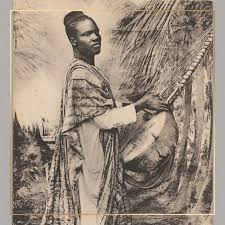
The Griot: The People's Archivist
The griot is not simply an artist or storyteller. He is the living memory of the nation, the historian, the genealogist, and the diplomat whose words make and break alliances. His mission goes beyond entertainment: he is the guardian of historical truth, the guarantor of the integrity of lineages, and the advisor to the powerful.
Oral tradition among griots is extraordinarily precise and rigorous. Every word, every intonation, every pause is codified and transmitted with a fidelity that defies time. This rigor makes the griot a historical source as reliable as any written document.
-
Keeper of genealogies and alliances
-
Chronicler of historical events
-
Mediator in community conflicts
-
Educator of values and social ethics
The Palaver: Rhetoric of the Community
The palaver is a sophisticated form of democracy through debate, where eloquence serves not the victory of an individual, but conciliation and justice for the entire community. It is an art of dialogue where every voice counts, where words circulate until a consensus naturally emerges.
In African tradition, speaking is not simply expressing oneself; it is about forging bonds, mending rifts, and building together. The art of dialogue transforms conflict into an opportunity to strengthen social cohesion, making eloquence an instrument of peace rather than domination.
-
Community debate until consensus is reached
-
Conflict resolution through dialogue
-
Education in listening and respect
-
Strengthening social cohesion
Oral Tradition in Pictures